Santa Teresa de Jesús‚ the 16th‑century Spanish mystic‚ authored the renowned Castillo Interior. Modern PDF editions‚ such as digitized facsimiles‚ make her spiritual insights widely accessible‚ enabling scholars and seekers to study her profound interior journey. PDF preserves layout.!
Early Life and Spiritual Calling
Born in 1515 in the city of Ávila‚ Teresa was the daughter of a noble family. Her mother died when Teresa was only three‚ and her father‚ a devout Catholic‚ passed away a few years later‚ leaving the young girl under the care of a strict aunt. At the age of 20‚ she entered the Carmelite convent of the Third Order in Ávila‚ where she took the name “Teresa of Jesus.” From the outset‚ Teresa reported intense spiritual experiences: visions of Christ‚ a profound sense of divine love‚ and a calling to deepen her union with God. Her early writings‚ preserved in manuscript form‚ reveal a restless soul seeking a path beyond the ordinary. In the 1540s‚ Teresa began drafting what would become the “Castillo Interior‚” a guide to the soul’s ascent through seven spiritual mansions. The manuscript was later transcribed and circulated in manuscript form among her followers. Today‚ digitized PDF editions of the original manuscript are freely available online‚ allowing modern readers to study her early spiritual insights in their original Spanish. These PDFs maintain the original layout‚ preserving the authenticity of Teresa’s voice and the historical context of her mystical journey. Teresa’s early life‚ marked by loss and devotion‚ set the stage for her profound spiritual legacy‚ which continues to inspire seekers worldwide through accessible digital editions of her work. The PDF versions preserve the original Spanish orthography‚ allowing readers to experience Teresa’s precise diction and the rhythmic cadence of her mystical language. Read more today!?
Founding the Discalced Carmelites
In 1540‚ Teresa of Jesus‚ driven by her mystical experiences‚ sought to reform the Carmelite order. She and a small group of like‑minded women left the cloistered convent in Ávila to live in poverty‚ barefoot‚ and in strict obedience to the Rule of St. Albert. The movement‚ called the Discalced Carmelites‚ emphasized austerity‚ contemplative prayer‚ and a return to the original hermitic spirit. Teresa’s vision was to create a community where the soul could dwell in the “castle interior” of God‚ a theme that later crystallized in her book. Her reforms were met with resistance from the established order‚ but the papal bull of Pope Paul III in 1542 formally recognized the new branch. The Discalced Carmelites spread rapidly across Europe‚ establishing monasteries in Spain‚ Italy‚ France‚ and the New World. Today‚ the order remains active‚ with thousands of members worldwide. In the early 17th century‚ Teresa’s manuscript was copied by hand and circulated among the Discalced community‚ but the original remained a treasured relic. Today‚ digitized facsimiles of the manuscript are freely available through the Biblioteca Nacional de España and the Digital Library of the Carmelite Order. These high‑resolution PDFs preserve the original ink‚ marginalia‚ and delicate parchment texture‚ allowing scholars to study Teresa’s precise language. The PDF format also facilitates translation projects‚ enabling non‑Spanish speakers to access the text. By providing open‑access resources‚ modern editions honor Teresa’s legacy and support spiritual and academic exploration!
Overview of “The Interior Castle” (Las Moradas)
Teresa’s “Interior Castle” presents a seven‑mansion journey of the soul toward divine union. First printed in 1577‚ the text remains a cornerstone of Christian mysticism. Modern PDF editions preserve the original Latin and Spanish‚ enabling worldwide study. Its language inspires contemplatives worldwide!
Publication History and Original Manuscript
Teresa’s original manuscript of the Castillo Interior was composed in the 1570s‚ with the first printed edition appearing in 1577 in Madrid. The manuscript‚ preserved in the Biblioteca de la Real Casa de la Monasterio‚ contains 1‚200 pages of handwritten notes‚ marginalia‚ and the author’s own corrections. Scholars have traced the evolution of the text through a series of early prints‚ noting variations in the Latin and Spanish versions that reflect Teresa’s ongoing refinement. In the 19th and 20th centuries‚ critical editions were produced by the Dominicans‚ who sought to reconcile the original manuscript with the printed versions. The most recent critical edition‚ published by the Pontifical University of Salamanca in 2012‚ includes a facsimile of the original manuscript‚ allowing readers to compare the author’s hand with the printed text. Digitization projects in the early 2000s produced high‑resolution PDF facsimiles‚ making the manuscript freely available online. These PDFs preserve the original ink‚ layout‚ and marginalia‚ providing scholars and lay readers with unprecedented access to Teresa’s spiritual insights and the historical context of her writings. The availability of the manuscript in PDF form has facilitated interdisciplinary studies‚ from literary analysis to theological reflection‚ and has helped preserve the text for future generations. The digital edition remains a vital resource for anyone seeking to understand the depth of Teresa’s mystical experience and the historical context of her writings. Digital scans let scholars trace Teresa’s language today.!
Structure of the Seven Mansions
Teresa’s Castillo Interior is divided into seven distinct mansions‚ each representing a progressive stage in the soul’s ascent toward divine union. The first mansion‚ the “Mansion of the Soul‚” invites the pilgrim to detach from worldly attachments and cultivate humility. In the second mansion‚ the “Mansion of the Soul’s Purification‚” the seeker purges sin and strengthens virtue through prayer and fasting. The third mansion‚ the “Mansion of the Soul’s Illumination‚” marks a deeper awareness of God’s presence‚ characterized by contemplative visions and growing love. The fourth mansion‚ the “Mansion of the Soul’s Union‚” offers intimate communion with God‚ producing profound peace and joy. The fifth mansion‚ the “Mansion of the Soul’s Perfection‚” focuses on cultivating humility‚ patience‚ and charity‚ preparing the pilgrim for the final stages. The sixth mansion‚ the “Mansion of the Soul’s Transcendence‚” sees the soul transcend earthly limitations‚ experiencing unity with God’s infinite love. Finally‚ the seventh mansion‚ the “Mansion of the Soul’s Completion‚” represents the culmination of the journey‚ where the soul is fully united with God‚ achieving the interior castle’s ultimate goal. Teresa’s meticulous description of each mansion offers a practical roadmap for spiritual growth‚ inviting readers to progress through the stages with devotion and humility. The PDF edition preserves Teresa’s original language and layout‚ allowing readers to follow the structure precisely as she intended. This structure has become a foundational model for contemporary contemplative practice‚ influencing Catholic spirituality and broader mystical traditions. The PDF’s faithful reproduction of the original manuscript ensures that Teresa’s interior castle remains an enduring guide for seekers worldwide‚ offering a clear‚ step‑by‑step path toward divine union. The seven mansions together form a timeless blueprint for the soul’s journey‚ and the PDF edition makes this profound spiritual architecture accessible to all who wish to walk the interior path toward God.
Key Spiritual Themes
Teresa’s interior castle is a profound meditation on the soul’s relationship with God‚ unfolding through themes of love‚ humility‚ and divine grace. The first theme‚ the primacy of divine love‚ portrays God as the ultimate source of all good‚ inviting the soul to surrender its will and seek union. The second theme‚ the transformative power of humility‚ shows how the soul must release its ego‚ embrace suffering‚ and accept God’s will‚ thereby opening the heart to divine presence. The third theme‚ the role of prayer‚ illustrates the necessity of continual dialogue with God‚ moving from external petitions to interior contemplation‚ where the soul perceives God’s presence in silence. The fourth theme‚ the mystery of divine illumination‚ describes how the soul‚ through prayer and contemplation‚ receives divine light that purifies‚ enlightens‚ and guides the pilgrim toward deeper union. The fifth theme‚ the experience of divine union‚ presents the soul as a vessel of God’s love‚ where the soul’s joy and peace are sustained by the presence of God. The sixth theme‚ the call to active charity‚ encourages the pilgrim to translate inner union into outward love‚ serving others as a manifestation of divine love. The final theme‚ the completion of the interior journey‚ culminates in the soul’s complete union with God‚ where the interior castle is fully illuminated‚ and the pilgrim experiences the fullness of divine love. Teresa’s PDF edition preserves the original language‚ allowing readers to explore these themes with fidelity‚ ensuring that the interior castle remains a living guide for seekers of spiritual depth.
Symbolism of the Castle and Labyrinth
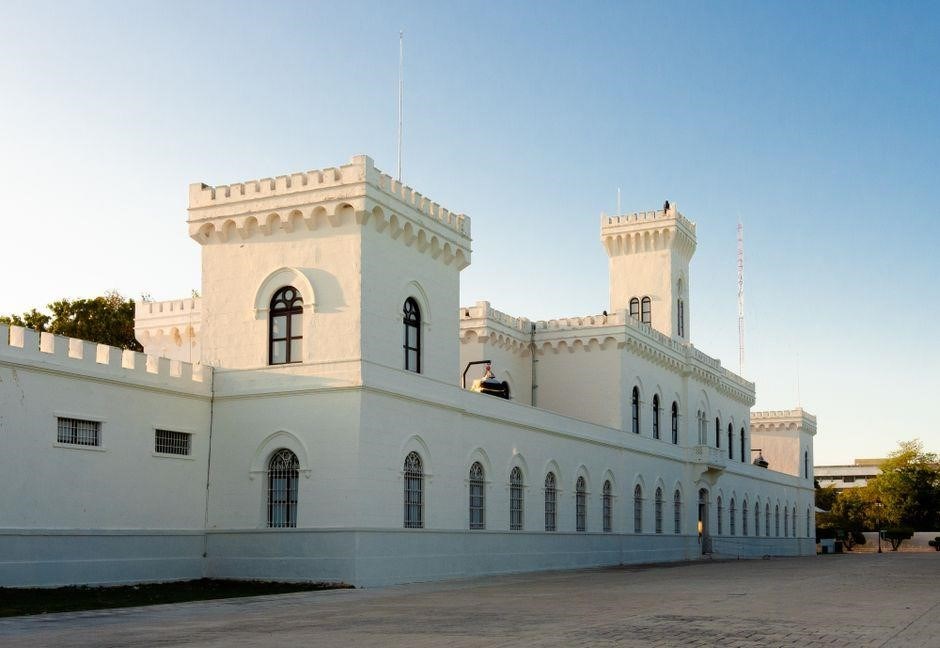
In Teresa’s work‚ the castle symbolizes the soul’s stages toward divine union‚ while the labyrinth represents the complex‚ winding path of inner purification. The dual imagery guides readers through spiritual ascent‚ emphasizing perseverance and divine guidance Contemplation deepens
Architectural Metaphor in Mystical Literature
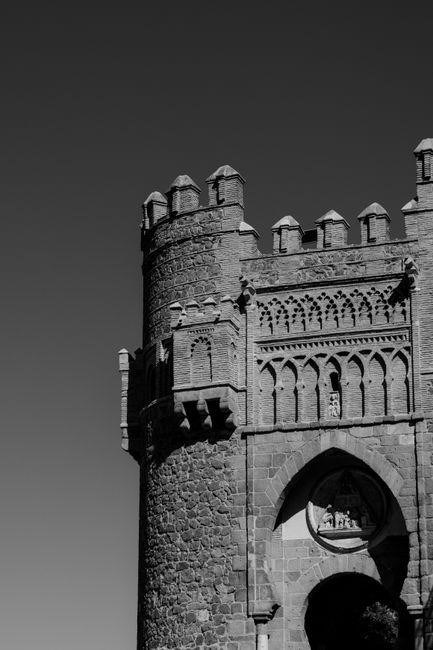
In Christian mysticism‚ architectural imagery—castles‚ towers‚ and labyrinths—serves as a symbolic framework for describing the soul’s progression toward divine union. Teresa’s Castillo Interior exemplifies this approach‚ presenting the interior life as a fortified structure whose walls‚ chambers‚ and corridors mirror the stages of purification and revelation. The castle’s outer ramparts represent initial defenses against sin‚ while inner chambers signify deeper levels of contemplation‚ culminating in the throne room where the soul encounters God. Scholars note that this metaphor aligns with earlier mystics such as John of the Cross‚ who used the “dark night” as a passage through a labyrinthine path to divine illumination. The metaphor also reflects the medieval worldview‚ in which the cosmos is depicted as a cathedral or fortress‚ suggesting the human soul is a microcosm of divine order. By framing spiritual experience in architectural terms‚ Teresa invites readers to visualize their inner journey as a tangible‚ spatial process‚ making abstract theological concepts more accessible. The metaphor underscores that spiritual growth requires deliberate effort‚ disciplined practice‚ and fortification of one’s inner life against distractions. Contemporary scholarship explores the castle metaphor in comparative mystic literature‚ revealing common themes of enclosure‚ transformation‚ and the ultimate goal of divine communion; Teresa’s use of the castle and labyrinth remains a pivotal example of how architectural imagery illuminates the soul’s inner workings and guides seekers toward a deeper‚ structured understanding of their spiritual path. Believers are encouraged to enter the divine realm with reverence‚ actively engaging in contemplative practice within the soul’s sacred walls and seek union

Teresa’s Castillo Interior portrays the soul’s pilgrimage as a labyrinth‚ a winding path that demands perseverance‚ humility‚ and trust. The labyrinth’s many turns symbolize the trials of prayer‚ the detours of doubt‚ and the hidden chambers of divine grace. Scholars note that the figure of the labyrinth echoes medieval Christian symbolism‚ where the maze represents the soul’s search for God amid earthly distractions. In Teresa’s narrative‚ the labyrinth’s center is the throne room of God‚ a place of ultimate union. The journey to the center requires the soul to abandon worldly attachments‚ to surrender to divine will‚ and to navigate the inner corridors of the heart. Teresa’s use of the labyrinth invites readers to visualize their spiritual progress as a tangible‚ spatial experience‚ encouraging active participation rather than passive contemplation. Modern PDF editions preserve the original layout‚ allowing readers to trace the labyrinth’s layout and reflect on each turn’s meaning; The labyrinth metaphor also highlights that the path to God is not linear; it involves backtracking‚ revisiting earlier stages‚ and learning from mistakes. Teresa’s depiction of the labyrinth remains a powerful tool for contemporary mystics‚ offering a framework to map inner growth‚ recognize obstacles‚ and celebrate moments of divine encounter. The labyrinth becomes a living map‚ guiding seekers through the complexities of faith toward the ultimate goal of communion with the divine. The labyrinth’s design compels each pilgrim to confront doubts‚ embrace guidance‚ and transform within now all today The labyrinth’s design compels each pilgrim to confront doubts‚ embrace guidance‚ and transform within now all today Thus‚ the labyrinth is not a path but a mirror reflecting the soul’s longing for divine union now
Modern Editions and PDF Availability
Modern editions of Teresa’s Castillo Interior are now freely downloadable as PDFs. Digitized facsimiles preserve the original manuscript’s layout‚ while academic translations offer annotated commentary. Open‑access repositories provide licensed copies for study and reflection. now!!!. !!!!
Digitized Facsimiles and Academic Translations
Digital facsimiles of Teresa’s Castillo Interior are available through major libraries and open‑access portals. These high‑resolution scans replicate the original parchment layout‚ ink strokes‚ and marginalia‚ allowing readers to experience the text as it appeared in the 16th‑century manuscript. Scholars often pair these facsimiles with critical editions that provide line‑by‑line commentary‚ footnotes‚ and cross‑references to contemporary theological works. Academic translations—such as the 2015 Cambridge University Press edition—offer modern English renderings that preserve the mystical nuance while making the prose accessible to contemporary audiences. The combination of facsimile fidelity and scholarly apparatus ensures that both students and spiritual seekers can engage deeply with Teresa’s interior journey‚ tracing the evolution of her thought from the original manuscript to present‑day interpretation. These resources are typically licensed under Creative Commons or university copyright agreements‚ permitting free download for educational use. Researchers can download PDFs directly from institutional repositories‚ while libraries offer print‑on‑demand copies for those who prefer a physical format. The digital preservation of Teresa’s work guarantees that future generations will have uninterrupted access to her spiritual legacy‚ bridging historical authenticity with modern technology. These digitized resources also support comparative studies‚ enabling scholars to trace textual variations across editions and time.
Open Access PDF Resources and Licensing
Digital libraries such as the Biblioteca Nacional de España‚ the Vatican Library‚ and the Internet Archive host freely downloadable PDFs of Teresa’s Castillo Interior. These PDFs are typically released under Creative Commons licenses (e.g.‚ CC‑BY‑SA)or public‑domain status‚ allowing educators‚ translators‚ and lay readers to share‚ remix‚ and distribute the text without restriction. The Biblioteca Nacional’s digitization project offers a high‑resolution scan that preserves the original parchment texture and marginal annotations‚while the Internet Archive provides a searchable OCR version that facilitates keyword searches across the entire manuscript. For academic use‚ the University of Navarra’s digital repository supplies a PDF with a scholarly apparatus‚ including footnotes‚ a glossary of mystical terms‚ and a commentary that traces the theological evolution of Teresa’s language. Licensing agreements for these resources typically permit non‑commercial use‚ but institutions must verify the specific Creative Commons terms before incorporating the PDFs into curricula or publishing derivative works. Additionally‚ the Catholic University of Leuven’s open‑access portal hosts a PDF translation by the Dominican scholar‚ which is licensed under CC‑BY‚ enabling free redistribution with attribution. These open‑access initiatives ensure that Teresa’s interior spiritual architecture remains available to a global audience‚ supporting both devotional practice and rigorous academic inquiry.
Influence on Contemporary Spirituality and Scholarship
Teresa’s Castillo Interior PDF editions inspire modern spirituality‚ guiding meditation practices and academic research. Scholars cite her mystical architecture in interfaith dialogues‚ while lay readers use the freely available PDFs for daily devotion‚ reflecting her enduring influence!
Impact on Catholic Spiritual Practices
In contemporary Catholic devotion‚ the freely downloadable PDF of Teresa’s Castillo Interior serves as a cornerstone for liturgical reflection and personal prayer. Many diocesan ministries distribute the digital text to parishioners‚ encouraging daily readings aligned with the Church’s emphasis on interior conversion. The PDF’s accessibility has led to its inclusion in sacramental preparation courses‚ where seminarians study the mystical stages of the soul’s journey through the seven mansions. Additionally‚ the document is widely used in retreats‚ with facilitators guiding participants through guided meditations that echo Teresa’s own contemplative exercises. The text’s presence in the Vatican’s online repository has further legitimized its use in official catechetical materials‚ ensuring that the spiritual heritage of the Spanish mystic remains integral to Catholic worship worldwide. By offering a modern‚ searchable format‚ the PDF also supports academic research‚ allowing scholars to annotate passages and cross‑reference theological commentaries‚ thereby enriching both academic and devotional contexts.
Moreover‚ the PDF’s digital format allows for interactive annotations‚ enabling readers to highlight passages and link them to contemporary theological discussions. Many online communities use shared PDFs to create collaborative study groups‚ fostering a global dialogue that bridges historical mysticism with modern spiritual practice. The accessibility of Teresa’s work in PDF form has become a catalyst for renewed engagement with her teachings
Interdisciplinary Academic Studies
Interdisciplinary scholarship on Teresa’s Castillo Interior leverages the open‑access PDF to explore theological‚ literary‚ historical‚ and digital humanities perspectives. The text is routinely cited in comparative mysticism studies‚ where researchers map Teresa’s seven mansions against John of the Cross and contemporary Spanish prose. In theological seminars‚ the PDF informs discussions on divine illumination and the soul’s ascent‚ while literary critics analyze her use of metaphorical architecture to structure spiritual progression. Historians contextualize the manuscript within the Counter‑Reformation‚ examining how its original and subsequent editions reflect 16th‑century Spain’s socio‑political climate. Digital humanities projects embed the PDF in searchable corpora‚ enabling motif‑mapping across Teresa’s oeuvre and tracing the evolution of mystical language. Interdisciplinary panels juxtapose Teresa’s interior journey with modern psychological models of self‑actualization‚ demonstrating relevance beyond strictly theological circles. The PDF’s accessibility also supports gender‑studies inquiries‚ offering insight into women’s roles in early modern religious movements. By providing a stable‚ machine‑readable version‚ the PDF facilitates cross‑institutional collaborations‚ integrating hermeneutic‚ historical‚ and computational approaches. Consequently‚ the digital edition has become a pivotal resource for scholars seeking to illuminate faith‚ literature‚ and culture in European intellectual history. It supports ongoing studies.