
Women Who Run With The Wolves: A Comprehensive Overview
“Women Who Run With The Wolves”‚ published in 1992 and 2008‚ explores female archetypes through myths; a PDF version is often sought after online for accessibility․
Publication History and Authorship
“Women Who Run With The Wolves” initially emerged in 1992‚ published by Ballantine Books in New York‚ quickly gaining recognition for its unique approach to female psychology․ A later edition followed in 2008‚ released by Penguin Random House‚ broadening its reach․ The book’s availability extends to digital formats‚ with many seeking a “Women Who Run With The Wolves PDF” for convenient access․
Clarissa Pinkola Estés is the sole author‚ and her work is cataloged within the Internet Archive and Delaware County District Library collections․ The book’s enduring popularity is reflected in its presence across various platforms‚ including print‚ audiobook‚ and digital archives‚ catering to diverse reader preferences․ It’s a significant contribution to archetypal psychology․
Clarissa Pinkola Estés: Background and Influence
Clarissa Pinkola Estés‚ the author of “Women Who Run With The Wolves‚” is a post-Jungian psychoanalyst‚ educator‚ and cantadora – a storyteller and keeper of the old ways․ Her extensive background in folklore‚ mythology‚ and psychology deeply informs the book’s content․ The search for a “Women Who Run With The Wolves PDF” demonstrates the continued interest in her work․
Estés’ influence stems from her ability to weave together ancient narratives with modern psychological understanding․ She draws upon a vast knowledge of world mythologies to illuminate the archetypal patterns within the female psyche‚ offering a pathway to self-discovery and wholeness․ Her work resonates globally‚ inspiring countless individuals․
Core Concepts of the “Wild Woman” Archetype
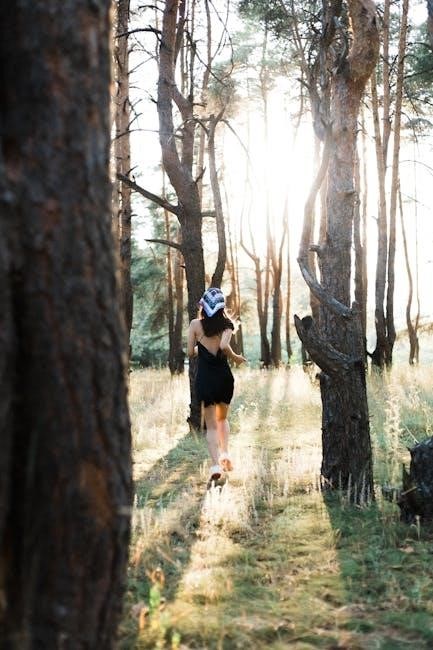
“Women Who Run With The Wolves” centers on the “Wild Woman” archetype‚ exploring untamed instinct and intuition‚ often accessed through stories and a sought-after PDF․
Defining the Wild Woman: Untamed Instinct and Intuition
Clarissa Pinkola Estés defines the “Wild Woman” as the core‚ instinctual nature of women‚ a deeply rooted connection to the natural world and inner wisdom․ This archetype embodies creativity‚ passion‚ and a fierce independence‚ often suppressed by societal expectations․
The book utilizes myths and stories – readily available through various sources‚ including a frequently searched for PDF version – to illustrate this archetype․ These narratives reveal the Wild Woman’s inherent strength‚ resilience‚ and capacity for both joy and sorrow․
She operates from the soul‚ not the ego‚ guided by intuition and a profound understanding of her own cycles and rhythms․ Reconnecting with this “Wild” aspect is presented as essential for psychological wholeness and authentic living․
The Loss of the Wild Woman in Modern Society
Estés argues that modern society actively suppresses the “Wild Woman” archetype through conditioning and cultural norms․ This suppression manifests as a disconnection from intuition‚ a stifling of creativity‚ and a tendency towards self-doubt․ Societal pressures often prioritize conformity and rationality over instinct and emotional depth․
The book‚ often sought in PDF format for convenient access‚ details how patriarchal structures and limiting beliefs contribute to this loss․ Women are encouraged to prioritize external validation over inner knowing‚ leading to a diminished sense of self and a feeling of emptiness․
This disconnection results in psychological distress and a longing for something more authentic‚ a reclaiming of the wild‚ untamed spirit within․
Reclaiming the Wild Woman: A Journey of Self-Discovery
Estés presents reclaiming the “Wild Woman” as a vital journey of self-discovery‚ requiring courage and a willingness to confront suppressed aspects of the psyche․ This process involves actively listening to intuition‚ embracing creativity‚ and honoring instinctual knowing․
The book‚ frequently accessed as a PDF for its accessibility‚ emphasizes the importance of storytelling and creative expression as tools for healing and self-understanding․ Through analyzing myths and folktales‚ women can recognize and integrate fragmented parts of themselves․
It’s a path toward wholeness‚ fostering a deeper connection to the soul and a renewed sense of power and authenticity․
Analyzing Myths and Stories in the Book
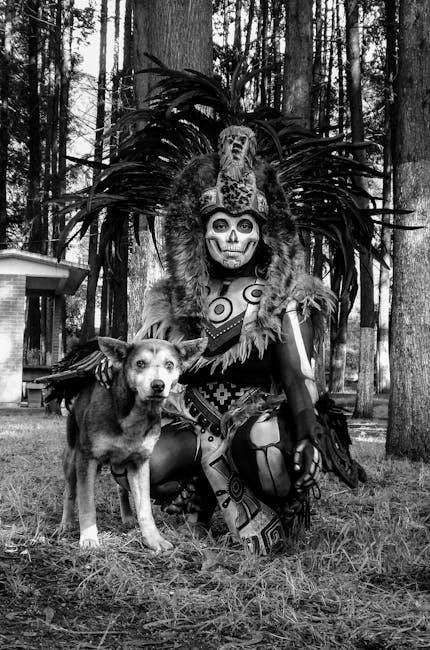
“Women Who Run With The Wolves” utilizes folktales and mythology—often found in PDF format—to explore the archetypes of liberated women and their inner worlds․
The Use of Folktales and Mythology
Clarissa Pinkola Estés masterfully weaves a rich tapestry of myths‚ stories‚ and folktales throughout “Women Who Run With The Wolves”․ These narratives‚ frequently accessed in PDF form for study‚ aren’t simply retellings; they serve as portals into the female psyche․ The book delves into archetypal patterns present across diverse cultures‚ demonstrating the universality of the “Wild Woman” archetype․
Estés doesn’t present these stories as historical truths‚ but rather as psychological blueprints․ Each tale—whether from European traditions‚ Indigenous cultures‚ or global folklore—illuminates aspects of female instinct‚ intuition‚ and the challenges women face in a patriarchal world․ The accessibility of the book‚ including readily available PDF copies‚ allows for deeper engagement with these powerful narratives and their enduring relevance․
Common Themes Across Different Cultures
“Women Who Run With The Wolves”‚ often explored through readily available PDF versions‚ reveals striking thematic consistencies in myths worldwide․ Despite cultural variations‚ Estés identifies recurring motifs relating to female initiation‚ the dangers of societal constraint‚ and the power of female intuition․ Stories frequently depict women punished for expressing their wild nature‚ or embarking on journeys of self-discovery․
The prevalence of these themes—accessible for analysis via PDF study—suggests a shared‚ archetypal experience of womanhood․ Whether it’s the cautionary tale of Red Riding Hood or narratives from diverse folklore‚ the core message often centers on reclaiming authentic selfhood and resisting societal pressures to conform․ This universality underscores the book’s enduring appeal․
Specific Myth Analysis: Red Riding Hood
Estés’ analysis of Red Riding Hood‚ frequently studied through accessible PDF copies of “Women Who Run With The Wolves”‚ reframes the tale as a coming-of-age story․ The forest symbolizes the unconscious‚ and Red Riding Hood’s journey represents a young woman’s initiation into adulthood․ The wolf embodies a dangerous‚ predatory aspect of the unconscious‚ and the grandmother represents wisdom and experience․
Rather than a simple warning against strangers‚ Estés interprets the story as a call to recognize and integrate the “wild” aspects of the female psyche․ A PDF examination reveals the girl’s naiveté and lack of boundaries‚ highlighting the need for self-protection and discernment․
Specific Myth Analysis: Bluebeard
Clarissa Pinkola Estés‚ explored in readily available PDF versions of “Women Who Run With The Wolves”‚ dissects the Bluebeard myth as a cautionary tale about patriarchal control and the suppression of female curiosity․ Bluebeard’s forbidden room symbolizes the hidden aspects of the feminine psyche‚ deemed dangerous by a controlling society․ The wives represent women who dare to seek knowledge and autonomy․
The story‚ often analyzed through PDF study guides‚ isn’t merely about disobedience‚ but about a woman’s inherent drive to uncover truth‚ even at great risk․ Estés argues that the myth reflects the consequences women face when challenging male dominance and exploring their inner worlds․

Psychological Framework and Archetypal Psychology
“Women Who Run With The Wolves”‚ often found as a PDF‚ heavily utilizes Jungian concepts‚ exploring the collective unconscious and archetypes within female psychology․
Jungian Influences on Estés’ Work
Clarissa Pinkola Estés’ work is profoundly rooted in the psychological theories of Carl Jung‚ particularly his concepts of archetypes and the collective unconscious․ The readily available PDF of “Women Who Run With The Wolves” demonstrates a clear application of these principles to understand the female psyche․
Estés interprets myths and folktales not as literal stories‚ but as symbolic representations of universal‚ inherited patterns of behavior and imagery residing within the collective unconscious․ She identifies the “Wild Woman” as a core archetype‚ a primal feminine energy often suppressed in modern society․
The book’s exploration of shadow work – confronting and integrating the darker aspects of the self – is directly influenced by Jung’s emphasis on acknowledging and accepting all facets of one’s personality for wholeness․ The PDF format allows wider access to these Jungian-inspired insights․
The Collective Unconscious and Female Archetypes
“Women Who Run With The Wolves”‚ often found as a PDF download‚ centers on Jung’s idea of the collective unconscious – a universal‚ inherited layer of the human psyche containing archetypes․ Estés focuses on female archetypes‚ particularly the “Wild Woman‚” representing untamed instinct and creativity․
This archetype isn’t a specific individual‚ but a primal pattern existing within all women‚ manifesting through myths‚ dreams‚ and stories․ The book analyzes these narratives to reveal the Wild Woman’s characteristics: intuition‚ passion‚ and a deep connection to nature․
Estés argues that modern society often suppresses this archetype‚ leading to psychological distress․ Accessing the book’s insights‚ even through a PDF‚ encourages reclaiming this lost aspect of the feminine self‚ fostering wholeness and authenticity;
Understanding Shadow Work and Integration
“Women Who Run With The Wolves‚” readily available as a PDF‚ deeply explores “shadow work” – confronting and integrating the disowned aspects of the self․ Estés‚ drawing from Jungian psychology‚ posits that the shadow contains both destructive and creative potential․
Ignoring the shadow leads to projection and psychological imbalance․ The book utilizes myths and stories to illuminate how women often repress their instincts‚ power‚ and anger‚ relegating them to the shadow․
Through analyzing these narratives‚ readers are encouraged to acknowledge and reclaim these disowned parts‚ fostering self-acceptance and wholeness․ A PDF copy facilitates accessible engagement with this transformative process‚ promoting psychological integration․

Practical Applications and Self-Help Aspects
“Women Who Run With The Wolves‚” often found as a PDF‚ offers tools for self-discovery‚ encouraging readers to operate from their soul‚ not ego․
Operating from the Soul vs․ the Ego
Clarissa Pinkola Estés’ work‚ frequently accessed through a “Women Who Run With The Wolves” PDF‚ deeply contrasts living from the soul versus the ego․ The ego‚ she argues‚ is built on societal expectations and limitations‚ stifling authentic expression․ Conversely‚ the soul embodies instinct‚ intuition‚ and a connection to the wild‚ untamed self․
Operating from the soul involves recognizing and honoring one’s inner voice‚ even when it challenges conventional norms․ This requires courage to dismantle internalized restrictions and embrace vulnerability․ The book encourages readers to identify ego-driven behaviors – seeking external validation‚ suppressing emotions – and consciously shift towards soul-centered choices․ This journey‚ often initiated by exploring the book’s content‚ fosters genuine self-acceptance and empowers women to live more fulfilling lives․
Healing Through Storytelling and Creative Expression
“Women Who Run With The Wolves‚” readily available as a PDF for many‚ champions storytelling and creative expression as potent healing modalities․ Clarissa Pinkola Estés demonstrates how myths and folktales aren’t merely entertainment‚ but blueprints for understanding the female psyche and navigating life’s challenges․
Engaging with these narratives—or crafting one’s own—allows for the processing of buried emotions and the reclaiming of lost aspects of the self․ Creative outlets‚ like writing‚ painting‚ or dance‚ provide a safe space to explore the “Wild Woman” archetype and integrate shadow elements․ This process‚ inspired by the book’s insights‚ fosters self-awareness‚ resilience‚ and a deeper connection to inner wisdom․
Developing Intuition and Inner Guidance
“Women Who Run With The Wolves‚” often accessed as a convenient PDF‚ emphasizes cultivating intuition as a core aspect of the “Wild Woman” archetype․ Clarissa Pinkola Estés posits that modern society often suppresses this innate guidance system‚ favoring logic over instinct․
The book encourages readers to reconnect with their inner voice through practices like dreamwork‚ journaling‚ and mindful observation of nature․ By analyzing the symbolic language of myths and personal experiences‚ individuals can learn to decipher the subtle cues of their intuition․ This process fosters self-trust‚ empowers authentic decision-making‚ and unlocks a deeper understanding of one’s true path․

Availability and Accessing the Book
“Women Who Run With The Wolves” is available in print‚ audiobook‚ and as a widely sought PDF for convenient digital access and study․
“Women Who Run With The Wolves” PDF Availability
Finding a legitimate PDF version of “Women Who Run With The Wolves” can be challenging due to copyright restrictions․ While the book is readily available for purchase in print and as an audiobook‚ free PDF copies are often circulated online through platforms like the Internet Archive;
However‚ users should exercise caution when downloading from unofficial sources to avoid malware or incomplete files․ The Internet Archive offers a digitized version‚ noting some pages may have cut-off text due to binding issues․
Legally obtaining the PDF often involves purchasing a digital copy through authorized retailers‚ ensuring support for the author and publisher․ Be aware that sharing unauthorized PDF copies is a violation of copyright law․
Print and Audiobook Formats
“Women Who Run With The Wolves” is widely accessible in traditional print formats‚ published by Penguin Random House and Ballantine Books․ Editions range in price and cover design‚ catering to diverse preferences․ For those preferring audio consumption‚ an audiobook version is also available‚ allowing listeners to experience Estés’ insights while on the go․
The print edition‚ a substantial work at 1․2GB in digital size when archived‚ offers a tactile reading experience and the ability to annotate passages․
Audiobooks provide a convenient alternative‚ narrated to bring the myths and psychological concepts to life․ Both formats ensure access to this influential work‚ regardless of reading style․
Online Resources and Communities
Despite the search for a readily available “Women Who Run With The Wolves” PDF‚ numerous online resources enhance engagement with the book’s themes․ The Internet Archive hosts archived copies‚ though some may have binding issues affecting readability․
YouTube channels‚ like “readingoutloudbookclub”‚ offer discussions and reviews‚ fostering a sense of community․ Online book clubs and forums provide platforms for sharing interpretations and personal experiences related to the “Wild Woman” archetype․
These digital spaces allow readers to connect‚ explore the book’s concepts collectively‚ and deepen their understanding of Estés’ work․

Criticisms and Considerations
While seeking a “Women Who Run With The Wolves” PDF‚ be mindful of potential misinterpretations and the need for cultural sensitivity when analyzing archetypes․
Potential for Misinterpretation
The accessibility of a “Women Who Run With The Wolves” PDF‚ while convenient‚ can contribute to misinterpretations of Estés’ complex ideas․ Readers may extract concepts without fully grasping the nuanced context provided within the complete work․
The archetypal language and reliance on myth can be particularly susceptible to subjective readings‚ potentially leading to oversimplification or misapplication of the “Wild Woman” archetype․ It’s crucial to approach the text with a critical and discerning mind‚ recognizing that the stories are meant to be explored as metaphors for inner experience‚ not as prescriptive guidelines for behavior․
Without careful consideration‚ the book’s message could be misinterpreted as advocating for unrestrained impulsivity rather than a balanced integration of instinct and reason․
Cultural Sensitivity and Appropriation
The extensive use of folktales and myths from diverse cultures in “Women Who Run With The Wolves” raises concerns regarding cultural sensitivity and potential appropriation․ While Estés aims to illuminate universal feminine archetypes‚ the extraction of stories from their original contexts requires careful consideration․
The widespread availability of a PDF version doesn’t mitigate this issue; it may even amplify it by increasing access without necessarily fostering critical engagement with the source cultures․ Readers should be mindful of the origins of these narratives and avoid essentializing or misrepresenting them․
Acknowledging the cultural context and respecting the integrity of these traditions is paramount when engaging with Estés’ work․