Hoover H-Wash 300 Lite: A Comprehensive User Guide
This guide provides essential information for operating your Hoover H-Wash 300 Lite washing machine, offering a free, 28-page English manual for models like H3W4102DBBE/1-80.
Welcome to the world of efficient laundry with the Hoover H-Wash 300 Lite! This washing machine is designed to deliver powerful cleaning performance with user-friendly operation. This comprehensive user guide, available in English, will walk you through every aspect of your appliance, ensuring optimal results and longevity.
Whether you’ve recently unboxed your H-Wash 300 Lite or are simply looking to deepen your understanding of its features, this manual is your go-to resource. It covers everything from initial setup and understanding the control panel to utilizing specialized wash cycles and performing essential maintenance.
Specifically, resources like the H3W4102DBBE/1-80 manual offer detailed instructions. This guide aims to empower you to confidently tackle any laundry challenge, maximizing the potential of your Hoover H-Wash 300 Lite.
Key Features and Specifications
The Hoover H-Wash 300 Lite boasts a range of features designed for modern laundry needs. Key among these is its 8kg capacity, suitable for families and larger loads, as highlighted in Argos product listings (856/7693). Many models, like the H3W4102DBBE/1-80, operate at a 1400rpm spin speed, ensuring efficient water extraction and reduced drying times.

The machine offers a variety of wash cycles, catering to different fabric types and soil levels. Detailed specifications and cycle explanations are readily available within the comprehensive English user manual.
Beyond core functionality, features like delay start and potentially specialized programs enhance convenience. The manual provides a complete overview of these capabilities, empowering users to customize their washing experience for optimal results and garment care.

Getting Started
Begin your laundry experience with the H-Wash 300 Lite by carefully reviewing the included English user manual for proper unboxing, installation, and initial setup.

Unboxing and Installation
Carefully unpack your new Hoover H-Wash 300 Lite washing machine, referencing the English user manual for a complete inventory of included parts and accessories. Ensure all packaging materials are removed before proceeding.
Installation requires a stable, level surface and access to appropriate water supply and drainage connections. The manual details these connections, emphasizing the importance of correctly fitted hoses to prevent leaks.
Verify the electrical supply matches the machine’s requirements, and ensure proper grounding. Avoid extending power cords. Once connected, perform a visual inspection for any transport damage.
Before first use, consult the manual for instructions on removing transit bolts – a crucial step to prevent damage during operation. Proper installation guarantees optimal performance and longevity.
Initial Setup and First Wash
Following installation, refer to the English user manual for initial setup procedures. This includes familiarizing yourself with the control panel and available wash cycles. Before the first wash, it’s recommended to run an empty cycle – typically a short, high-temperature wash – to clean the drum and hoses of any manufacturing residue.
Add a small amount of detergent to the appropriate drawer, but avoid overloading. Select a suitable cycle based on the manual’s recommendations for initial cleaning.
Ensure the water supply is fully connected and the drain hose is correctly positioned. Monitor the cycle to confirm proper operation and check for any leaks. This initial wash prepares the machine for regular use.
Understanding the Control Panel
The control panel features buttons and indicators; the English manual details each function, explaining display symbols and their meanings for optimal washing machine operation.
Overview of Buttons and Indicators
The Hoover H-Wash 300 Lite’s control panel is designed for intuitive operation. The English user manual comprehensively details each button’s function, allowing users to easily select desired wash cycles and modify settings. Key indicators illuminate to display the current stage of the wash cycle – from pre-wash to rinse and spin.
Buttons control cycle selection, temperature adjustments, spin speed, and optional features like delay start. Indicators signal cycle progress, error messages, and the status of features like child lock. Understanding these elements, as outlined in the manual, ensures efficient and customized laundry care. The manual provides a visual guide, correlating each button and indicator with its specific action, simplifying the user experience and maximizing the machine’s capabilities.
Display Symbols and Meanings
The Hoover H-Wash 300 Lite utilizes a range of display symbols to communicate machine status and settings. The English user manual provides a detailed explanation of each symbol, ensuring users can quickly interpret the information presented. Symbols indicate cycle progress – wash, rinse, spin – and alert users to any error conditions.
Specific symbols represent selected options like temperature, spin speed, and delay start. Understanding these visual cues is crucial for effective operation. The manual clarifies symbols related to water level, detergent usage, and the activation of special features. By referencing the manual’s symbol guide, users can confidently navigate the machine’s interface and troubleshoot any issues that may arise, optimizing their laundry experience.
Wash Cycles Explained
The H-Wash 300 Lite manual details various wash cycles, including Cotton, Synthetics, Delicates/Wool, and a Quick Wash program, each optimized for specific fabric types.
Cotton Cycle Settings
The Cotton cycle on your Hoover H-Wash 300 Lite is designed for durable, everyday cotton items. The user manual outlines several settings within this cycle to cater to varying soil levels and desired wash intensities. You’ll find options for adjusting the temperature, ranging from cold washes for delicate colors to hotter temperatures for heavily soiled whites.
Spin speed is also adjustable, allowing you to select a lower speed for more delicate cottons to minimize creasing, or a higher speed for faster drying. Pre-wash functionality can be added for exceptionally dirty items, providing an initial soak and agitation before the main wash. The manual emphasizes selecting the appropriate temperature and spin speed based on the garment’s care label to ensure optimal cleaning and fabric preservation.
Furthermore, the cycle duration can vary depending on the chosen settings, offering flexibility to accommodate your laundry needs. Always refer to the manual for detailed guidance on customizing the Cotton cycle for the best results.
Synthetic Cycle Options
The Hoover H-Wash 300 Lite offers versatile Synthetic cycle options for washing man-made fabrics like polyester and nylon. The user manual details settings designed to protect these materials from damage, ensuring longevity and maintaining their shape. Temperature control is key; lower temperatures are recommended to prevent shrinking or melting.
Spin speed adjustments are also crucial, with gentler settings minimizing creasing and stress on synthetic fibers. Several pre-programmed options cater to different levels of soiling, from a quick wash for lightly soiled items to a more intensive wash for heavily soiled synthetics.
The manual advises checking garment care labels before selecting a cycle, as some synthetics may require specific washing instructions. Utilizing the appropriate settings will help preserve the color and integrity of your synthetic clothing, extending its lifespan and maintaining its appearance.
Delicate/Wool Cycle Guide
The Hoover H-Wash 300 Lite features a specialized Delicate/Wool cycle designed for gentle fabric care. The user manual emphasizes the importance of using a mild detergent formulated for woolens and delicate items to prevent damage. This cycle utilizes a lower mechanical action and reduced spin speed, minimizing friction and protecting fibers;
Water temperature is carefully controlled, typically at a cool or lukewarm setting, to avoid shrinking or felting wool garments. The manual strongly recommends placing delicate items inside a mesh laundry bag for added protection during the wash cycle.
Always check garment care labels before using this cycle, as some delicate fabrics may require hand washing. Proper use of the Delicate/Wool cycle ensures your most treasured garments remain soft, retain their shape, and last longer.
Quick Wash Program Details
The Hoover H-Wash 300 Lite offers a convenient Quick Wash program, ideal for lightly soiled garments requiring a fast refresh. The user manual details that this cycle significantly reduces wash time, typically completing a load in under 30 minutes. It’s perfect for smaller loads or items needing a quick clean.
While efficient, the Quick Wash cycle utilizes a higher spin speed to minimize drying time. The manual advises against using this program for delicate fabrics or heavily soiled items, as the reduced wash duration may not provide a thorough clean.
Load size is also a consideration; overloading the machine during a Quick Wash can compromise cleaning performance. For optimal results, adhere to the recommended load capacity outlined in the user manual.

Using Special Features
Explore enhanced washing options! The H-Wash 300 Lite manual details features like Delay Start, Pre-Wash, and Extra Rinse, optimizing your laundry experience.
Delay Start Function
The Delay Start function allows you to conveniently schedule your wash cycle to begin at a later time. This is particularly useful for taking advantage of off-peak energy tariffs or ensuring laundry is finished when you return home.
To utilize this feature, consult your Hoover H-Wash 300 Lite manual for specific instructions, as the process may vary slightly depending on the model. Generally, you’ll select the desired wash cycle, then use the Delay Start button to set the delay duration – typically in hours.
The control panel will display the estimated start time. Remember to add detergent before activating the delay, and avoid using cycles with fresh food items. This function provides flexibility and control over your laundry routine, maximizing efficiency and convenience.
Pre-Wash Option
The Pre-Wash option on your Hoover H-Wash 300 Lite is designed for heavily soiled laundry, offering an extra cleaning stage before the main wash cycle begins. This is beneficial for items with stubborn stains like mud, grass, or food.
Refer to your user manual for precise activation steps, as button layouts can differ. Typically, you’ll select the appropriate wash cycle and then activate the Pre-Wash function before starting the machine.
Using the Pre-Wash will extend the overall wash time and increase water and energy consumption. It’s recommended to use a small amount of detergent specifically for the pre-wash stage to loosen dirt effectively. Consider if the level of soiling truly necessitates this extra step for optimal results.
Extra Rinse Functionality
The Extra Rinse function on the Hoover H-Wash 300 Lite provides an additional rinse cycle after the main wash is complete. This is particularly useful for individuals with sensitive skin, allergies, or those who want to ensure all detergent residue is removed from their clothes.
Consult your appliance’s manual for specific instructions on activating this feature, as it varies depending on the model. Usually, you select the desired wash cycle and then choose the Extra Rinse option before starting the machine.
Be aware that utilizing the Extra Rinse will increase water consumption and extend the wash cycle duration. It’s a valuable option for thorough cleaning, but consider if it’s necessary for every load.

Maintenance and Troubleshooting
Regular cleaning of the detergent drawer and filter is crucial for optimal performance. Refer to the manual for error code solutions and guidance.
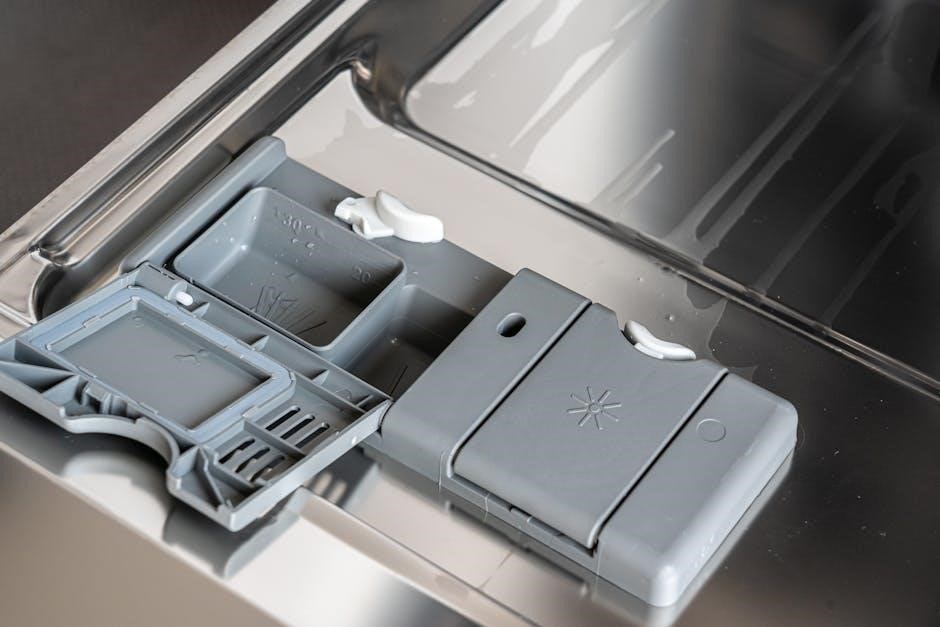
Cleaning the Detergent Drawer
Maintaining a clean detergent drawer is vital for the efficient operation of your Hoover H-Wash 300 Lite; Residue buildup can hinder detergent flow and impact wash performance. The user manual details a simple removal process – typically involving pressing a release button or lever within the dispenser.
Once removed, thoroughly rinse the drawer components under warm running water, using a soft brush to dislodge any stubborn detergent or fabric softener deposits. Pay close attention to the pre-wash compartment, main wash compartment, and fabric softener section. Ensure all residues are eliminated before reinserting the drawer, guaranteeing optimal dispensing and preventing potential blockages. Regular cleaning, ideally monthly, will prolong the life of your machine.
Filter Cleaning Procedures
Regular filter cleaning is crucial for maintaining the performance of your Hoover H-Wash 300 Lite. The filter traps lint, debris, and small objects, preventing drain blockages. Consult your user manual for the precise filter location – usually found at the front, bottom of the machine, behind a small access panel.
Before opening, prepare a shallow container and towels to catch any residual water. Carefully unscrew and remove the filter, cleaning it thoroughly under running water to remove all accumulated debris. Inspect the filter housing for any obstructions as well. Reinstall the filter securely, ensuring a watertight seal to prevent leaks during operation. Periodic cleaning, as outlined in the manual, ensures efficient drainage and prolongs the appliance’s lifespan.
Common Error Codes and Solutions
The Hoover H-Wash 300 Lite utilizes error codes to signal potential issues. While specific codes vary, the user manual is your primary resource for decoding them. Common problems include drainage errors (often indicated by flashing lights), water supply issues, or door lock malfunctions.
If an error occurs, first try pausing the cycle and restarting the machine. Check the water supply hose for kinks or obstructions. Ensure the drain hose isn’t blocked or positioned too high. If the error persists, consult the manual for the specific code’s meaning and recommended solution. Some errors may require professional servicing; attempting complex repairs yourself could void the warranty.

Safety Information
Prioritize safety when using the H-Wash 300 Lite; the manual details crucial precautions, including the child lock feature, to prevent accidental operation.
Important Safety Precautions
Before operating your Hoover H-Wash 300 Lite, carefully review the safety guidelines within the user manual. This ensures safe and efficient operation, preventing potential hazards. Always disconnect the appliance from the power supply during installation, maintenance, or when not in use.
Never attempt to repair the washing machine yourself; contact qualified service personnel for any repairs. Do not overload the machine, as this can affect performance and potentially damage the appliance. Keep children and pets away from the washing machine during operation.
Ensure proper ventilation and avoid placing the machine in direct sunlight or near heat sources. Regularly check the water inlet and drain hoses for any signs of damage. Following these precautions will contribute to a safe and long-lasting experience with your Hoover H-Wash 300 Lite.
Child Lock Feature
The Hoover H-Wash 300 Lite incorporates a Child Lock feature, enhancing safety by preventing unintended operation. This function, detailed in the user manual, typically involves pressing and holding specific buttons on the control panel simultaneously. Once activated, the control panel buttons become unresponsive, safeguarding against accidental program changes or interruptions.
This is particularly useful in households with young children, preventing them from altering wash settings or initiating cycles. To deactivate the Child Lock, the same button combination must be pressed again. Refer to your H-Wash 300 Lite’s manual for the precise activation and deactivation procedure, as it may vary slightly depending on the model.
Utilizing this feature provides peace of mind, ensuring the washing machine operates only with intentional user input.