
Manual Drum Pump: A Comprehensive Overview
Manual drum pumps efficiently transfer fluids from drums, offering portability and ease of use across diverse industries like chemical processing and food production.
Manual drum pumps represent a straightforward and reliable solution for transferring liquids directly from drums and containers. These pumps operate without electricity, making them ideal for locations lacking power sources or where explosion-proof operation is crucial. Commonly utilized for dispensing chemicals, fuels, oils, and water-based solutions, they cater to a broad spectrum of industries.
Their simplicity ensures ease of operation and maintenance, while their portability allows for flexible fluid transfer. Available in hand-operated and lever-action designs, manual drum pumps offer adaptable solutions for various applications, from small-scale filling to larger volume transfers.

Types of Manual Drum Pumps
Manual drum pumps are broadly categorized into hand-operated and lever-action models, each offering distinct mechanisms for efficient fluid transfer from drums.
Hand-Operated Drum Pumps: Basic Mechanism
Hand-operated drum pumps utilize a simple yet effective mechanism for fluid transfer. Typically, a piston within a pump tube creates suction with each upward stroke of the handle. This draws fluid from the drum, while subsequent downward movement forces the liquid through a spout.
These pumps are ideal for smaller quantities and offer a direct, manual control over the flow rate. The JUNIORFLUX and COMBIFLUX models exemplify this, being particularly suited for filling from containers up to 200-liter drums. Their straightforward design ensures reliability and ease of operation in various applications.
Lever-Action Drum Pumps: Enhanced Efficiency
Lever-action drum pumps represent an advancement in manual pumping technology, offering increased efficiency compared to hand-operated models. The lever mechanism amplifies the force applied, reducing operator fatigue and enabling the transfer of higher viscosity fluids with greater ease.
This design often incorporates a double-acting piston, drawing fluid on both the up and down strokes, maximizing output. For applications requiring larger volumes or thicker liquids, these pumps provide a robust and reliable solution, particularly when portability is crucial, potentially utilizing air motors to reduce weight.
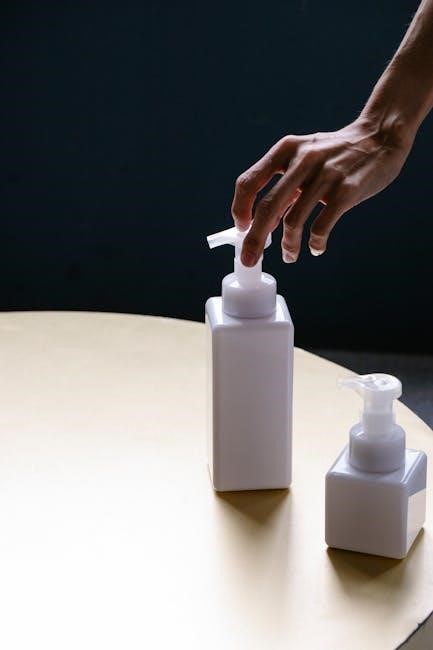
Components of a Manual Drum Pump
Manual drum pumps consist of key parts: a pump tube, spout/bung adapter for compatibility, and a handle/lever for ergonomic operation and fluid transfer.
Pump Tube: Material Considerations
Pump tubes are crucial, demanding careful material selection for compatibility with pumped fluids. Options include polyethylene for water-based solutions, and more robust materials like polypropylene or stainless steel for acids, alkalis, and aggressive chemicals.
Compatibility prevents corrosion and ensures pump longevity. For fuels and oils, specific polymers resist degradation. Considering the fluid’s concentration and temperature is vital. Selecting the correct material safeguards against leaks, contamination, and pump failure, maintaining operational efficiency and safety during transfer operations.
Spout and Bung Adapter: Ensuring Compatibility
Spout and bung adapters are essential for a secure connection between the manual drum pump and the container. Compatibility with various drum sizes – from smaller cans up to 200-liter drums – is key. Adapters must create a leak-proof seal to prevent spills during fluid transfer.
Different materials, like polypropylene or stainless steel, cater to diverse chemical resistances. Proper adapter selection avoids contamination and ensures safe handling of acids, alkalis, fuels, and other liquids. A correct fit is paramount for efficient and reliable operation.
Handle and Lever: Ergonomics and Operation
The handle and lever design of a manual drum pump significantly impacts user comfort and pumping efficiency. Ergonomic designs reduce operator fatigue, especially during high-volume fluid transfer. Lever-action pumps enhance efficiency, requiring less physical effort compared to basic hand-operated models.
Smooth operation minimizes strain, while robust construction ensures durability. The handle’s grip should provide a secure hold, even with gloved hands. Proper lever length optimizes mechanical advantage, facilitating easier pumping of viscous substances like oils or chemicals.

Applications of Manual Drum Pumps
Manual drum pumps serve vital roles in chemical processing, food and beverage, oil and gas, and pharmaceutical industries for efficient fluid handling.
Chemical Processing Industry
Manual drum pumps are indispensable within the chemical processing sector, facilitating the safe and controlled transfer of a wide array of substances. These pumps expertly handle acids, alkalis, ammonia solutions, and various other chemicals directly from drums. Their reliability minimizes the risk of spills and exposure, crucial for maintaining a secure working environment.
The ability to pump sodium chloride and lye effectively showcases their versatility. Furthermore, manual operation eliminates ignition sources, making them suitable for potentially hazardous environments, ensuring operational safety and efficiency in demanding chemical applications.
Food and Beverage Industry
Manual drum pumps play a vital role in the food and beverage industry, enabling the hygienic transfer of ingredients like syrups, concentrates, and oils from drums to processing equipment. Their simple design facilitates easy cleaning and sanitation, crucial for maintaining product purity and adhering to strict food safety regulations.
These pumps offer a cost-effective and reliable solution for smaller-scale operations or when transferring comparatively small quantities. They ensure precise dispensing, minimizing waste and maximizing efficiency in various food production processes.
Oil and Gas Industry
Manual drum pumps are utilized in the oil and gas sector for transferring fuels like petrol and diesel, as well as various oils, directly from drums to equipment or storage tanks. Their robust construction and compatibility with diverse fluids make them suitable for challenging field conditions.
While larger operations often employ electric pumps, manual options provide a portable and independent solution for remote locations or smaller-volume transfers, reducing reliance on electrical power sources and enhancing operational flexibility.
Pharmaceutical Applications
Manual drum pumps play a crucial role in the pharmaceutical industry, facilitating the safe and controlled transfer of various media and chemical compounds. Maintaining purity and preventing contamination are paramount, requiring pumps constructed from compatible materials.
These pumps are used for dispensing ingredients, transferring solutions during manufacturing processes, and handling cleaning agents. Their portability and lack of electrical components minimize risks in sensitive environments, ensuring adherence to strict regulatory standards and quality control protocols.

Fluids Compatible with Manual Drum Pumps
Manual drum pumps handle diverse fluids, including acids, alkalis, fuels, oils, water-based solutions, sodium chloride, and lye, depending on pump material compatibility.
Pumping Acids and Alkalis
Manual drum pumps are frequently utilized for transferring acids and alkalis, but material selection is paramount for safety and longevity. Compatibility hinges on the chemical resistance of the pump’s wetted components – the tube, spout, and seals.
Polypropylene (PP) and fluoropolymers like PTFE (Teflon) are common choices, offering excellent resistance to a broad spectrum of corrosive substances. However, specific acid or alkali concentrations and temperatures dictate the optimal material.
Regular inspection for signs of degradation, such as swelling or discoloration, is crucial when handling these aggressive chemicals to prevent leaks and ensure operator safety.
Transferring Fuels and Oils
Manual drum pumps provide a safe and controlled method for transferring fuels like petrol and diesel, as well as various oils. These pumps are often preferred in situations where electrical ignition sources must be avoided, enhancing workplace safety.
Material compatibility is key; pumps designed for fuels and oils typically feature components resistant to hydrocarbon degradation.
Consideration should be given to the viscosity of the oil – higher viscosity fluids may necessitate pumps with greater flow rates or specialized designs to ensure efficient transfer and minimize operator effort.
Handling Water-Based Solutions
Manual drum pumps are frequently utilized for transferring water-based solutions, offering a reliable and cost-effective pumping method. These pumps are suitable for a wide range of applications, from transferring cleaning agents to dispensing coolants.
Pump materials must be compatible with the specific solution being transferred to prevent corrosion or contamination.
For solutions containing particulates, pumps with larger internal diameters can minimize clogging and ensure consistent flow rates, simplifying operations and reducing downtime.
Pumping Sodium Chloride and Lye
Manual drum pumps are capable of handling corrosive substances like sodium chloride and lye, crucial in various industrial processes. However, material compatibility is paramount; pumps must feature chemically resistant components.
Polypropylene (PP) and polyethylene (PE) are common materials for pump tubes and seals when dealing with these chemicals, preventing degradation and ensuring safe transfer.
Regular inspection and maintenance are vital to identify any signs of corrosion or wear, maintaining pump integrity and preventing leaks.

Factors to Consider When Choosing a Manual Drum Pump
Selecting a manual drum pump requires evaluating fluid viscosity, drum size, flow rate needs, and desired portability for optimal performance and safety.
Fluid Viscosity and Compatibility
Understanding fluid viscosity is crucial when selecting a manual drum pump. Higher viscosity fluids often necessitate pumps with greater displacement capabilities and potentially larger motors – air motor options can reduce weight for portability. Compatibility is equally vital; ensure the pump’s materials (tube, seals, etc.) resist chemical attack from the fluid being transferred.
Consider the specific chemical properties, such as whether you’re pumping acids, alkalis, fuels, oils, or water-based solutions. Drum pumps are designed for diverse applications, including sodium chloride and lye, but material selection must align with the fluid’s characteristics to prevent degradation and ensure safe, reliable operation.
Drum Size and Type
Manual drum pumps cater to various drum sizes, ranging from smaller containers like cans up to standard 200-liter drums. The pump’s design, particularly the tube length and diameter, must be appropriate for the drum’s depth and opening. Compatibility extends beyond fluid to the drum itself; ensure the spout and bung adapter securely fit the drum type.
Consider whether you’re using steel, plastic, or fiber drums, as this influences adapter selection. For smaller quantities, JUNIORFLUX/COMBIFLUX pumps are ideal. Proper fit prevents leaks and ensures efficient fluid transfer, maximizing pump performance and safety.
Flow Rate Requirements
Determining the necessary flow rate is crucial when selecting a manual drum pump. This depends heavily on the application and the volume of fluid needing transfer within a specific timeframe. Higher viscosity fluids generally require pumps capable of delivering lower flow rates but with greater force.
Refer to technical data sheets and performance diagrams provided by manufacturers like Colly Flowtech to match pump specifications to your needs. Consider if you need a rapid, continuous flow or if intermittent pumping is sufficient. Accurate flow rate assessment optimizes efficiency and prevents bottlenecks.
Portability and Ease of Use
Manual drum pumps excel in portability, requiring no external power source – a significant advantage in locations lacking electricity or where mobility is essential. Lightweight designs, particularly important for high viscosity applications needing air motors, enhance maneuverability.
Ergonomic handles and levers contribute to user comfort and reduce fatigue during operation. Simple designs minimize setup time and training requirements, making them user-friendly. Consider the pump’s weight and overall handling characteristics for frequent relocation or extended use.

Maintenance and Troubleshooting
Regular cleaning is crucial for optimal performance; address common issues like clogging promptly to maintain efficiency and extend the lifespan of the pump.
Regular Cleaning Procedures
Consistent cleaning significantly extends the life and maintains the efficiency of your manual drum pump. After each use, especially when handling viscous or corrosive fluids, thoroughly flush the pump tube and spout with an appropriate solvent. Disassemble the pump components periodically for a more detailed cleaning, inspecting for wear or damage.
Pay close attention to the bung adapter, ensuring it’s free from residue. Proper rinsing prevents cross-contamination and ensures accurate fluid transfer. Always refer to the manufacturer’s guidelines for recommended cleaning agents and procedures, prioritizing safety and compatibility with pump materials.
Common Issues and Solutions
Reduced flow rate often indicates a clogged pump tube or spout – disassemble and flush thoroughly. If the pump fails to prime, check for air leaks in the connections or a damaged pump tube. Difficulty in handling viscous fluids may require a pump designed for higher viscosity applications.
Inspect the bung adapter for a proper seal; a loose fit causes suction loss. Regular maintenance, including cleaning and component inspection, prevents many issues. Consult the manual for specific troubleshooting steps and consider professional repair for complex problems.

Safety Precautions
Always wear appropriate PPE when handling hazardous materials with a manual drum pump, ensuring proper installation and understanding fluid compatibility for safe operation.
Handling Hazardous Materials
When utilizing a manual drum pump for hazardous materials – such as acids, alkalis, or ammonia solutions – stringent safety protocols are paramount. Always consult the Safety Data Sheet (SDS) for the specific fluid being transferred. Wear appropriate personal protective equipment (PPE), including gloves, eye protection, and respirators, as dictated by the SDS.
Ensure adequate ventilation in the work area to prevent the buildup of harmful vapors. Inspect the pump components for compatibility with the chemical before use, avoiding materials that could degrade or react. Proper grounding and bonding procedures are crucial to prevent static discharge, especially when handling flammable liquids.
Regularly inspect the pump for leaks or damage, and immediately address any issues. Have spill containment materials readily available in case of accidental release.
Proper Pump Installation
Correct installation of a manual drum pump is vital for safe and efficient operation. Begin by verifying the pump’s compatibility with the drum’s contents and construction. Securely attach the spout and bung adapter to the drum, ensuring a tight seal to prevent leaks or spills.
Position the pump tube vertically within the drum, reaching near the bottom for maximum fluid extraction. Confirm the pump handle or lever operates smoothly without resistance.
Always prime the pump according to the manufacturer’s instructions before initial use. Regularly inspect all connections for tightness and integrity, and address any issues promptly to maintain optimal performance and safety.

Comparison with Electric Drum Pumps
Manual drum pumps offer portability and lower costs, while electric pumps provide higher flow rates and reduced physical effort for operators.
Manual vs. Electric: Advantages and Disadvantages
Manual drum pumps excel in situations demanding portability and cost-effectiveness, requiring no electricity and minimizing initial investment. However, they rely on physical exertion, potentially limiting throughput and causing operator fatigue during prolonged use or with viscous fluids.
Electric drum pumps, conversely, deliver consistently high flow rates with minimal operator effort, ideal for large-volume transfers. Yet, they necessitate a power source, increasing operational costs and limiting deployment in remote locations. Furthermore, electric pumps generally have a higher upfront price point and may require more complex maintenance.
Leading Manufacturers of Manual Drum Pumps
Colly Flowtech stands out as a key player, alongside others, in the manual drum pump market, offering innovative solutions for fluid transfer needs.
Colly Flowtech and Other Key Players
Colly Flowtech, with expertise from Product Manager Mattias Jansson, delivers specialized drum pumps like JUNIORFLUX and COMBIFLUX for smaller quantity transfers. These pumps cater to diverse applications, handling fluids such as acids, alkalis, fuels, oils, and even pharmaceutical media.
While Colly Flowtech is prominent, numerous manufacturers contribute to the market, offering both hand-operated and electric-operated drum pumps. These companies focus on providing solutions for varied viscosity requirements and portability needs, including air motor options for heavier applications. The competitive landscape ensures a range of choices for optimal fluid handling.

Future Trends in Drum Pump Technology
Innovations in materials and design are expected to enhance manual drum pump efficiency, durability, and compatibility with a wider range of fluids.
Innovations in Materials and Design
Recent advancements focus on utilizing chemically resistant polymers and stainless steels to construct manual drum pumps, extending their lifespan and broadening fluid compatibility. Designers are prioritizing ergonomic handles and levers for reduced operator fatigue during prolonged use. Furthermore, improvements in spout and bung adapter designs ensure leak-proof connections and compatibility with various drum types. The trend towards lighter-weight materials enhances portability, particularly crucial for applications requiring frequent pump relocation. Colly Flowtech, a leading manufacturer, actively pursues these innovations, aiming for optimal performance and user safety in their drum pump offerings. These developments contribute to more efficient and reliable fluid transfer solutions.